
In recent years, social entrepreneurship has gained significant traction, with an increasing number of businesses aiming not only to generate profits but also to create a positive social or environmental impact. This rise of social entrepreneurship marks a shift in how we view business and success, with entrepreneurs focusing on solving pressing societal challenges alongside achieving financial growth.
At its core, social entrepreneurship is about using innovative solutions to address complex social issues such as poverty, inequality, environmental degradation, and access to education or healthcare. Social entrepreneurs are driven by a mission to make a difference in the world, often tackling problems that traditional businesses or government agencies have struggled to resolve. This has led to the creation of social enterprises—businesses that balance the need for financial sustainability with a commitment to social good.
One of the key factors contributing to the rise of social entrepreneurship is the growing awareness and demand for sustainable practices among consumers. People are increasingly aware of the environmental and social consequences of their purchasing decisions, and they are looking to support companies that align with their values. This shift in consumer behavior has prompted businesses to rethink their strategies and incorporate social and environmental considerations into their operations. As a result, social entrepreneurship has become not just a niche market but a mainstream business model.
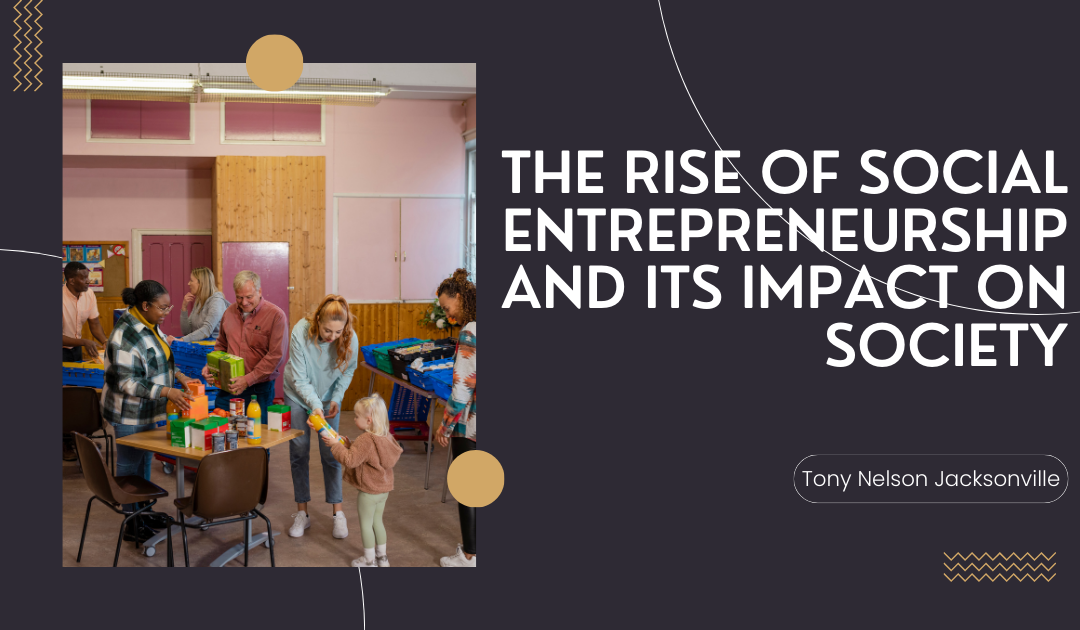
The impact of social entrepreneurship on society is profound. These businesses often work in underserved or marginalized communities, addressing needs that are overlooked by traditional businesses. For example, social enterprises might provide access to clean water, affordable healthcare, or renewable energy solutions in developing countries. In more developed regions, social entrepreneurs are working to combat issues such as food insecurity, income inequality, and educational disparities. By targeting these challenges, social entrepreneurs are creating sustainable, scalable solutions that have a lasting impact on society.
In addition to addressing social and environmental issues, social entrepreneurship has the potential to drive economic growth. Social enterprises often create jobs in communities that need them the most, providing individuals with opportunities for stable employment and economic advancement. By creating inclusive businesses that prioritize the welfare of their employees, social entrepreneurs help to build a more equitable economy. Furthermore, the innovative nature of many social enterprises fosters entrepreneurship and skills development, empowering individuals to take ownership of their own futures.
Social entrepreneurship also encourages a shift in the way we define success. Traditionally, business success has been measured by profitability and shareholder value. In contrast, social entrepreneurs are focused on measuring their success by the positive impact they have on society. This could mean measuring the number of people served, the environmental benefits of their operations, or the social improvements they have brought about. As a result, social entrepreneurs often develop alternative methods for tracking and reporting impact, such as social return on investment (SROI) metrics, which help them demonstrate the value they are creating beyond financial returns.
The rise of social entrepreneurship is not without its challenges. While these businesses are driven by a social mission, they must also operate in a competitive market, and achieving financial sustainability can be difficult. Balancing the dual goals of creating social impact and generating profit requires careful planning and innovation. Moreover, social entrepreneurs often face challenges in measuring the long-term impact of their work, as social change can take time and may not always be immediately quantifiable.
Despite these challenges, the growth of social entrepreneurship signals a broader change in the business landscape. As more consumers, investors, and governments embrace the importance of social responsibility, social entrepreneurship is poised to play a central role in solving some of the world’s most pressing problems. This new wave of business leaders is proving that profit and purpose can go hand in hand, creating a more sustainable and equitable future for all.
In conclusion, social entrepreneurship represents a powerful force for good in today’s world. By addressing societal challenges with innovative solutions, social entrepreneurs are creating lasting change in communities around the globe. As the field continues to grow, it has the potential to reshape how we think about business, success, and the role of entrepreneurship in solving the world’s most pressing problems.